Emerging Markets Explained: Risks and Roles in a Portfolio
Emerging markets bring growth potential and added risk. Walk through what they are, what you may already own and the role they can play in a portfolio.
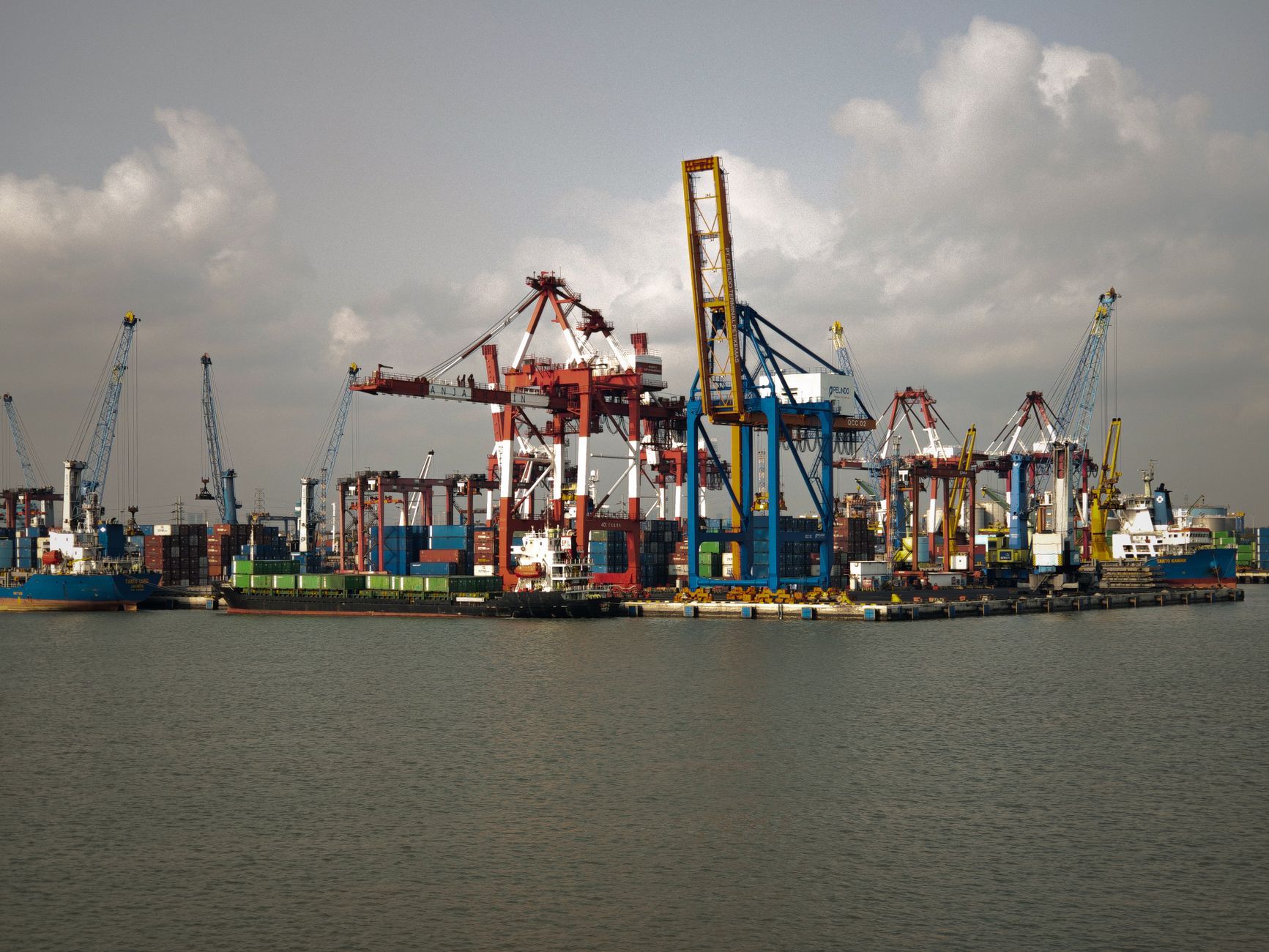
Photo: Shabran Niami / pexels
Alpha Sentinel is a software platform, not a registered investment adviser. This article is educational, not investment advice. Full disclaimer at the end of this post.
It is a quiet Sunday evening and you are reading an overseas headline about a currency sliding and a stock index tumbling in a country you could not find on a map in under ten seconds. You own a broad fund, so you wonder whether any of this is yours. Emerging markets are economies still developing their financial systems and industries, typically with faster potential growth and higher risk than developed ones. The practical question is not whether they are good or bad but what role they play in a portfolio and what risks come with them. A short framework can answer both.
Key Takeaways
- "Emerging market" is a classification used by index providers, and the list of countries and the weights inside it change over time.
- Many diversified funds already hold some emerging-market exposure, so the first step is finding out what you own.
- The risks are distinct: currency swings, governance differences, thinner liquidity and concentration in a few countries or companies.
- The role these markets play in a portfolio is a decision about diversification and risk tolerance, not a forecast.
- The way you hold them, through index funds or active ones, shapes cost and exposure.
Step 1: Define What You Mean by Emerging
There is no single official list. Index providers classify countries based on economic development, market size, accessibility to foreign investors and the openness of their financial systems. Different providers reach different conclusions, and countries move between categories as they develop or as rules change. A fund that follows one index can look quite different from a fund that follows another.
This matters because the label hides variety. Emerging markets include large, relatively sophisticated economies and much smaller, more fragile ones. Some are commodity exporters, while others are manufacturing hubs or technology centers. Treating them as a single bloc is convenient for a label but misleading about what actually drives results. Start by naming which countries and which index you have in mind.
Step 2: Audit What You Already Own
Before adding anything, look at your existing holdings. A total world fund holds emerging markets in proportion to their share of global market value. A diversified international fund may include them too. Target-date funds and many balanced funds often carry some exposure as well. It is easy to believe you have none and discover a meaningful position, or to believe you have plenty and find very little.
The fund's fact sheet and holdings list show the country breakdown. A few minutes of reading tells you the current weight and which countries or companies dominate. Many investors discover that a small number of large companies account for a big share of an emerging-market index, which means the exposure is more concentrated than the word "emerging markets" implies.
Step 3: Understand the Distinct Risks
Several risks recur in these markets.
- Currency risk: returns are earned in local currencies and converted, so a weakening currency can reduce returns even when local prices rise.
- Governance and legal risk: the rights of minority shareholders, disclosure standards and the reliability of contracts can differ from what developed-market investors expect.
- Political and policy risk: changes in regulation, capital controls or government priorities can affect companies quickly.
- Liquidity risk: smaller markets can have thinner trading, so prices can move sharply, especially in stressed conditions.
None of these means the markets are unsuitable. They mean the extra potential growth comes with extra uncertainty, and the trade between the two is real. Another point worth knowing is that correlations between markets often rise during global stress, so the diversification benefit can be smaller in the moments when investors most want it.
Concentration deserves its own look. Because index weights follow market value, a handful of very large companies can account for a sizable fraction of an emerging-market fund, and their fortunes can overshadow the dozens of smaller holdings. Reading the top ten holdings on the fact sheet tells you quickly whether the fund behaves like a broad bet on many economies or like a bet on a few firms.
Step 4: Decide the Role It Plays
Investors usually have one of a few reasons for holding emerging markets. Some want exposure to economies that may grow faster than developed ones. Some want diversification across currencies, industries and economic cycles. Some simply want their portfolio to resemble the global market, where these economies carry meaningful weight. Each reason implies a different amount and a different tolerance for volatility.
Valuation and expectations enter here as well. A faster-growing economy does not automatically lead to better stock returns, because prices already reflect expectations of growth and growth in an economy does not always flow to shareholders. Writing down the reason you hold the exposure, and what would change your mind, keeps the decision from being driven by whichever headline is loudest this month. If this decision touches your taxes or estate plans, a qualified professional is the right person to consult, and self-directing and working with an advisor are both legitimate approaches.
Step 5: Choose How to Hold It
Broad index funds and exchange-traded funds offer low-cost, diversified exposure that tracks a chosen index. Actively managed funds try to select countries or companies, with higher fees and results that vary with the manager. Single-country funds concentrate risk in one economy. Each has trade-offs in cost, concentration and complexity.
Cost matters more than it looks. Expense ratios compound over years, and some emerging-market funds charge noticeably more than comparable developed-market ones. Trading costs, tax treatment of foreign dividends and the fund structure can add further differences. Reading the fund's prospectus fee table before you hold it takes minutes and saves surprises.
An Illustrative Week
This is an illustration, not a results claim. Picture an attorney who spends Sunday evening listing every fund in the portfolio and recording its emerging-market weight from the fact sheet. The total turns out to be modest and concentrated in a few large companies.
On Wednesday, between court appearances, the attorney reads a short note on currency risk and writes one sentence on why the exposure is held. On Friday the attorney writes down what would prompt a review, such as a change in the attorney's own time horizon, and not a headline. No holding changed. The week produced a clear statement of what is owned and why, which is a better footing for the next overseas headline.
Frequently Asked Questions
What are emerging markets?
They are economies in earlier stages of development than the largest industrialized ones, usually with growing financial markets and higher volatility. Index providers decide which countries qualify, so the list varies by source.
Are emerging markets riskier than developed markets?
They have generally shown higher volatility and carry additional risks such as currency swings and governance differences. Higher risk does not mean higher returns, because prices already reflect those risks.
How much of a portfolio should be in emerging markets?
There is no universal answer, because it depends on your goals, time horizon and risk tolerance. Many investors start by checking how much they already hold through broad funds, and a qualified advisor can discuss your situation.
Do I already own emerging markets through my funds?
Possibly, since total world funds, many international funds and some target-date funds include them. The fund's holdings page shows the exact country weights.
How The Shield works
On weekdays from 4:00 AM to 8:00 PM ET, The Shield checks the stocks on your watchlist every few minutes, using prices delayed about 15 minutes. When one of them moves into downward momentum below its moving average, it emails you what changed and the price. Alerts are informational, not recommendations, and may be delayed or missed.
If your work leaves little time to watch your holdings, the 7-day pass for The Shield from Alpha Sentinel is a place to start. We watch. We alert. You decide.
The ShieldYour watchlist, watched during market hoursStart your 7-day pass$29 today. Your subscription renews automatically at $249/month after the 7-day trial unless canceled before renewal. Cancel in account settings.
FULL DISCLAIMER: Alpha Sentinel is a software platform that provides informational tools, including market scans and position-monitoring outputs. Alpha Sentinel is not a registered investment adviser, broker-dealer, certified public accountant, financial planner, or law firm. Nothing on this page or produced by the platform constitutes investment, tax, legal, or accounting advice; an offer or solicitation to buy or sell any security; or a personalized recommendation of any kind. The platform is not a substitute for the services of qualified professionals, and nothing in this article should be read as a recommendation that any reader manage their portfolio without professional guidance. All investments involve risk, including the risk of total loss of principal. Tax treatment depends on the user's individual circumstances and applicable law; consult a qualified tax professional regarding any tax-related question. The output of any software filtering or monitoring rule is not a prediction of future market behavior, and no software tool can be relied upon to warn users in advance of losses or to prevent losses. Past performance, whether of any security, strategy, or software signal, does not guarantee future results. Alpha Sentinel does not publish or warrant any hit rate, win rate, or similar performance metric, and users should not infer any such metric from the platform's outputs.
Frameworks, examples, schedules, and references to user types in this article are illustrative only and are not representations of typical results. Notification delivery times and service availability depend on third-party systems and may be subject to delays, errors, or failures.
Related Posts
Sequence-of-Returns Risk: Why the Timing of Losses Matters in Retirement
Why the order of returns matters once you start withdrawing, and the six stages for planning around a poor start to retirement.
Oct 13, 2026
Delisting Explained: What Happens to Your Shares
Delisting explained in five stages: why stocks leave an exchange, where shares trade next, and what happens to your ownership and records.
Oct 13, 2026
New Issues and IPOs: Why First-Day Pops Mislead Individual Investors
Why first-day IPO jumps mislead individual investors, how offering prices are set, and what to read and watch before buying a new issue.
Oct 13, 2026