Energy Stocks: How Commodity Cycles Shape Company Results
Energy stocks follow commodity cycles that decide revenue, costs, and spending. Learn how each part of the energy sector responds and what to read first.
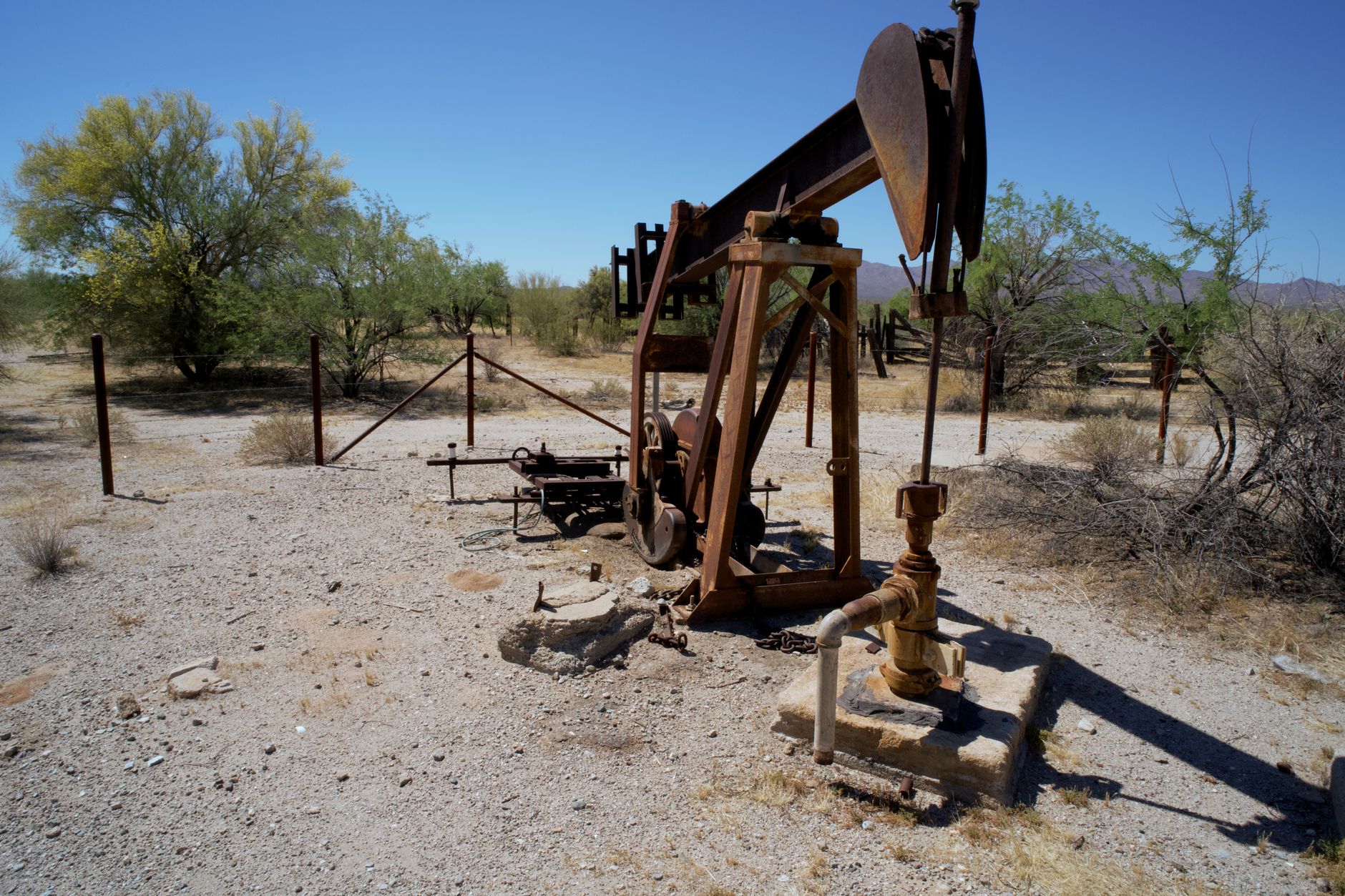
Photo: Strange Happenings / pexels
Alpha Sentinel is a software platform, not a registered investment adviser. This article is educational, not investment advice. Full disclaimer at the end of this post.
The oil price drops sharply on a Wednesday afternoon while you are in a deposition, and by the time you check, the energy holdings in your account are down far more than the commodity itself. The reason is that energy stocks are not a simple bet on a price. They are businesses whose revenue, costs, and capital spending all run on commodity cycles, and each part of the sector feels the same cycle at a different moment and with a different force. Understanding which part you own, and where it sits in the cycle, explains most of what you see on the screen.
Key Takeaways
- Energy companies fall into distinct groups, and each group earns money from commodity prices in a different way.
- Producers feel price changes directly, while pipeline and storage businesses depend more on volumes and contracts.
- Cycles are driven by a lag between price changes and the supply that eventually responds to them.
- Cost structure and debt determine how long a company can withstand low prices.
- Annual reports state commodity exposure, hedging, and reserves, and are the best place to start.
1. Know which part of the energy sector you own
Energy is usually divided into upstream, midstream, and downstream, with services as a fourth category. Upstream companies explore for and produce oil and natural gas. Midstream companies move and store it through pipelines, terminals, and processing facilities. Downstream companies, including refiners, turn crude oil into fuels and chemicals and sell them. Services companies rent equipment and crews to the producers.
This matters because each group's revenue connects to the commodity differently. A producer sells the commodity, so its revenue rises and falls with price. A refiner buys crude and sells products, so what matters is the spread between the two, not the level of either. Treating them as the same investment is the most common source of confusion when energy stocks move in opposite directions on the same day.
2. Understand why prices cycle at all
Commodity cycles come from a delay. When prices rise, producers plan new projects, but drilling and building take months or years, so supply does not respond quickly. Meanwhile demand continues, and prices can go higher still. When the new supply finally arrives, it can overshoot demand, prices fall, and producers cut spending. After a time, the lack of investment leads to tighter supply, and the cycle starts again.
The cycle is also influenced by things no company controls: economic growth, weather, geopolitics, and the decisions of large producing countries. This is why forecasts of energy prices have a poor record and why it is more useful to understand how a company behaves across the cycle than to guess where the cycle goes next.
3. Look at the cost to produce, not only the price received
Two producers can sell at the same price and have very different results because their costs differ. Some fields are cheap to operate and others are expensive. The price at which a producer covers its costs and capital spending is often called its breakeven, and companies frequently describe it in presentations and reports.
A lower breakeven gives a company room. When prices fall, it can still operate, pay its obligations, and continue investing. A higher breakeven means the same price decline can turn profit into loss. When reading an annual report, look for production costs per unit, how they have trended, and what management says about the price it needs.
4. Check the balance sheet before the cycle turns
Debt turns a normal downturn into a crisis. Energy projects require large amounts of capital, and companies often borrow to fund them. In good years, interest payments are easy. In poor years, they are fixed while revenue is not.
Three items are worth checking in the filings:
- Total debt compared with annual cash generated from operations
- When the debt comes due, and whether large maturities cluster in one year
- How much of the debt carries variable rather than fixed interest
A company with low debt and manageable maturities can wait out a bad stretch and may even acquire assets from stressed rivals. A company with heavy debt may have to issue shares, sell assets, or reduce its dividend, none of which are comfortable for owners.
5. Read what hedging does and does not do
Many producers use hedges, contracts that fix the price on part of their expected output for a set period. Hedging narrows the range of outcomes. It can protect cash flow when prices fall, and it can limit gains when prices rise. Because it expires, it only delays exposure to the market price, and the protection is only as good as the contract terms.
Companies disclose hedging in the notes to their financial statements and in the market risk section of their annual reports. A useful question is what share of expected production is hedged for the next twelve months, and at what price. A company that has hedged heavily at a low price may not benefit from a rally, and one with no hedges is fully exposed in both directions.
6. Separate the dividend from the commodity
Energy stocks often attract investors through their dividends. The key question is what funds the payout. A dividend paid out of cash left over after capital spending is better supported than one that relies on borrowing or on prices staying high. Some companies pay a base dividend plus a variable amount linked to cash flow, which makes the payout itself cyclical.
A payout that looks generous when prices are high may be reduced when they fall, and a falling price for a dividend-paying stock can reflect the market's doubt about the payout. Annual reports and earnings materials show cash flow and capital spending, so the comparison can be done with public information. For questions on how dividends are taxed in your situation, a qualified professional is the right person to ask.
7. An illustrative sample week
This walk-through is illustrative only and does not describe results. Suppose an executive owns two energy companies and wants to understand them.
On Monday she identifies where each sits: one is an upstream producer, the other a pipeline operator. On Wednesday she opens the producer's annual report and writes down its production cost per unit, its debt maturities, and the share of output hedged. On Thursday she reads the pipeline operator's description of how its revenue is contracted and learns that most of it depends on volume commitments rather than commodity prices. On Saturday she writes a short note: the producer is sensitive to price, the pipeline operator is more sensitive to volumes and counterparties.
The note makes no prediction. It does explain why the two holdings could move differently on the next price swing, which is the thing she wished she had known on the day the price dropped.
Frequently Asked Questions
Why do energy stocks fall more than oil prices?
Because a company's profit is revenue minus fixed and semi-fixed costs, a given percentage change in price produces a larger percentage change in profit. Debt adds to this effect, and the market also reacts to expectations of future prices, not only current ones.
What is the difference between upstream, midstream, and downstream?
Upstream companies find and produce oil and gas, midstream companies transport and store it, and downstream companies refine and sell it. Each earns money differently, so each responds to commodity price changes in its own way.
Do energy stocks always follow oil prices?
Not always. Producers follow prices closely, but refiners depend on the spread between crude and products, and midstream companies depend on volumes and contracts. Stock prices also reflect expectations, so they can move before the commodity does.
Where do I find a company's commodity exposure?
Check the market risk section and the notes on derivatives in its annual report on the SEC's EDGAR database. Investor.gov offers general guidance on reading these filings, and the reserves and production tables show the physical side of the business.
How The Shield works
On weekdays from 4:00 AM to 8:00 PM ET, The Shield checks the stocks on your watchlist every few minutes, using prices delayed about 15 minutes. When one of them moves into downward momentum below its moving average, it emails you what changed and the price. Alerts are informational, not recommendations, and may be delayed or missed.
If your holdings keep moving while you are away from a screen all day, start with the 7-day pass for The Shield from Alpha Sentinel. We watch. We alert. You decide.
The ShieldYour watchlist, watched during market hoursStart your 7-day pass$29 today. Your subscription renews automatically at $249/month after the 7-day trial unless canceled before renewal. Cancel in account settings.
FULL DISCLAIMER: Alpha Sentinel is a software platform that provides informational tools, including market scans and position-monitoring outputs. Alpha Sentinel is not a registered investment adviser, broker-dealer, certified public accountant, financial planner, or law firm. Nothing on this page or produced by the platform constitutes investment, tax, legal, or accounting advice; an offer or solicitation to buy or sell any security; or a personalized recommendation of any kind. The platform is not a substitute for the services of qualified professionals, and nothing in this article should be read as a recommendation that any reader manage their portfolio without professional guidance. All investments involve risk, including the risk of total loss of principal. Tax treatment depends on the user's individual circumstances and applicable law; consult a qualified tax professional regarding any tax-related question. The output of any software filtering or monitoring rule is not a prediction of future market behavior, and no software tool can be relied upon to warn users in advance of losses or to prevent losses. Past performance, whether of any security, strategy, or software signal, does not guarantee future results. Alpha Sentinel does not publish or warrant any hit rate, win rate, or similar performance metric, and users should not infer any such metric from the platform's outputs.
Frameworks, examples, schedules, and references to user types in this article are illustrative only and are not representations of typical results. Notification delivery times and service availability depend on third-party systems and may be subject to delays, errors, or failures.
Related Posts
Sequence-of-Returns Risk: Why the Timing of Losses Matters in Retirement
Why the order of returns matters once you start withdrawing, and the six stages for planning around a poor start to retirement.
Oct 13, 2026
Delisting Explained: What Happens to Your Shares
Delisting explained in five stages: why stocks leave an exchange, where shares trade next, and what happens to your ownership and records.
Oct 13, 2026
New Issues and IPOs: Why First-Day Pops Mislead Individual Investors
Why first-day IPO jumps mislead individual investors, how offering prices are set, and what to read and watch before buying a new issue.
Oct 13, 2026